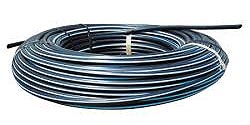

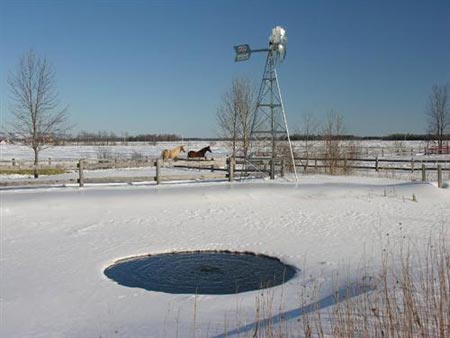
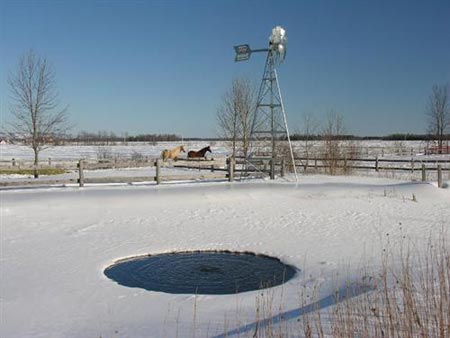
A Lake Bed Aerator system creates many small air bubbles at the bottom of a pond in an arrangement that carries a large column of water to the surface of the pond. This “pumping” action is effective in providing bottom to top circulation in deep ponds.
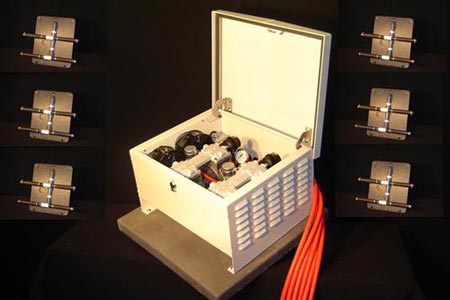
A small shore mounted air compressor pumps air through a self weighted tube to a bottom diffuser where tiny air bubbles are formed to create the lift for “pumping” a column of water to the surface of the pond creating natural aeration.
Sizing Guidelines
- This chart is based strictly on a lake that is round and with a turnover rate of 0.75 times per day.
- Ponds and lakes with islands, finger canals or irregular shapes will require custom sizing to ensure proper circulation
- Other factors such as water input type, wastewater runoff, farmland, pasture land, road runoff and golf course runoff will require higher turnover rates to ensure the oxygen demands are met.
| MODEL # |
HP
|
OPERATION DEPTH
|
SUGGESTED SURFACE ACRES
|
| LBAT-1-0.31 |
1/3
|
4 ft. - 10 ft.
11 ft. - 35 ft. |
To 0.5
To 1 |
| LBAT-2-0.31 |
1/3
|
4 ft. - 10 ft.
11 ft. - 35 ft. |
To 1.5
To 2 |
| LBAT-3-0.31 |
1/3
|
4 ft. - 10 ft.
11 ft. - 35 ft. |
To 2.5
To 3 |
| LBAT-4-0.31 |
2/3
|
4 ft. - 10 ft.
11 ft. - 35 ft. |
To 3.5
To 4 |
| LBAT-5-0.31 |
2/3
|
4 ft. - 10 ft.
11 ft. - 35 ft. |
To 4.5
To 5 |
| LBAT-6-0.31 |
2/3
|
4 ft. - 10 ft.
11 ft. - 35 ft. |
To 5.5
To 6 |
Some things you can expect from an ACI Lake Bed Aeration System:
- Elimination of thermal stratification
- Expect the nutrient levels and associated algae levels to reduce
- The dissolved oxygen levels will stabilize from top to bottom
- Stop oxygen related fish kills by increased oxygen level
- Reduction of aquatic midge and mosquito insect hatches
- Elimination of foul odors from undesirable dissolved gases